A juvenile criminal record can have lasting effects that go far beyond your teenage years and impact a child’s future, including education, career, and even housing options. While the juvenile justice system is supposed to rehabilitate young offenders, the effects of a juvenile criminal record can still be a big barrier in adulthood. Knowing these obstacles is key to moving forward with a clean slate.
In this blog, we will look at how juvenile criminal records affect future opportunities in education, employment, and other areas of life and discuss options with a Woodlands criminal defense attorney.
Educational
A juvenile conviction can have long-term effects on a young person’s education, especially when it comes to college admissions and financial aid.
College Admissions
A juvenile criminal record can greatly impact a student’s chance of getting into colleges or universities. Many institutions ask about criminal history on their application, and juvenile crimes can raise questions about the applicant’s behavior or character. Some colleges are more lenient, others will outright reject an application based on the severity of the offense. This can limit the educational opportunities for those with juvenile criminal records and narrow their choices for higher education.
Scholarships and Financial Aid
In addition to college admissions, juvenile criminal charges can also limit access to scholarships and financial aid. Some scholarship programs, especially those funded by private organizations, will disqualify applicants with a criminal history. Students with drug-related offenses may lose eligibility for federal financial aid. These financial barriers can further limit access to higher education and add extra burden to students with limited financial means.
College Policies and Support Programs
Juvenile offenders face significant challenges, but some colleges have policies and support programs in place to help students with criminal histories succeed. Programs focused on rehabilitation and second chances may offer counseling, mentorship, or academic support to help individuals with juvenile criminal records acclimate to the academic environment. Students with juvenile criminal records should research colleges that have these programs as they may offer a more supportive and understanding environment.
Employment
A juvenile criminal record can create big hurdles in the job market, impacting both employment opportunities and the types of careers available.
Background Checks
One of the biggest challenges for someone with a juvenile criminal record is the background check. Many employers do background checks on potential employees. While some states have laws that limit access to juvenile criminal records, in others those records will still show up in background checks, depending on the discretion of the criminal court. This can make it hard to get a job, especially in industries with strict hiring requirements like healthcare, finance, or law enforcement.
Fewer Employment Opportunities
Felony convictions can greatly limit career choices, especially in fields that require security clearances, licenses, or a clean record for legal or ethical reasons. Jobs in education, government, and healthcare among others have strict background checks that will disqualify candidates with any criminal history. So individuals with juvenile criminal records may have to look for jobs in fields that are more lenient which will limit both professional growth and earning potential.
Texas Law
In Texas, the impact of a juvenile criminal record on employment can vary depending on state laws and the policies of individual employers. Texas does not have a statewide “ban the box” law, but certain cities like Austin have implemented local ordinances that prohibit employers from asking about criminal records during the initial application process for government jobs. However, many private employers in Texas can still inquire about an applicant’s criminal history and may disqualify candidates based on their records.
Texas law does allow for the sealing or expungement of certain juvenile records, which can greatly improve employment opportunities. Additionally, in some cases, the destruction of juvenile criminal records may be authorized by the head of a law enforcement agency, helping to ensure that sensitive information is properly managed. Knowing Texas-specific laws and seeking out employers with fair chance hiring policies can provide individuals with juvenile criminal records better opportunities to find meaningful employment.
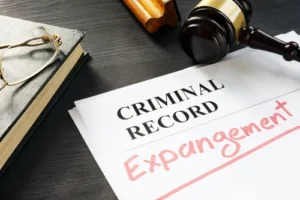
Legal Options for Expungement
For individuals with juvenile offenses, exploring legal options for expungement or record sealing can help reduce the long-term effects of their past and improve future opportunities.
Speak With an Experienced Woodlands Criminal Defense Lawyer ASAP!
If you or someone you know is facing the lasting effects of a juvenile criminal record, don’t wait to take action. Contact Cowboy Law Group today to consult with our team who can guide you through the process of expungement and help protect your future opportunities.
Contact us at 832-326-2932 for a free claim review!