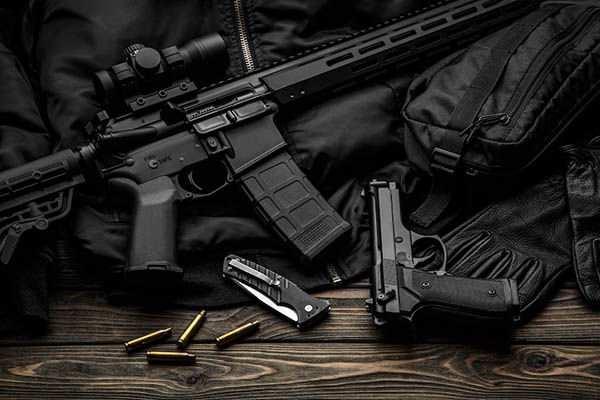
Federal Gun Smuggling Charges Can Upend Your Life Overnight. Here Is What to Do Next.
One knock at the door, one phone call, one moment, and suddenly your entire future feels like it is hanging by a thread. Federal gun smuggling charges do not give you time to figure things out as you go. The ATF has likely been building its case against you for months, federal prosecutors are already preparing, and the clock is ticking on decisions that will shape the rest of your life. A conviction can mean years in federal prison, permanent loss of your gun rights, devastating fines, and a federal felony record that follows you everywhere. This is not the moment to hope things work themselves out.
At Cowboy Law Group, we ride hard for our clients because we know that when the federal government comes after you, you need a team in your corner that is just as relentless. This guide will walk you through exactly what you are facing, what steps to take right now, and why working with an experienced federal gun charge lawyer from the very start is the single most important decision you can make when your freedom is on the line.
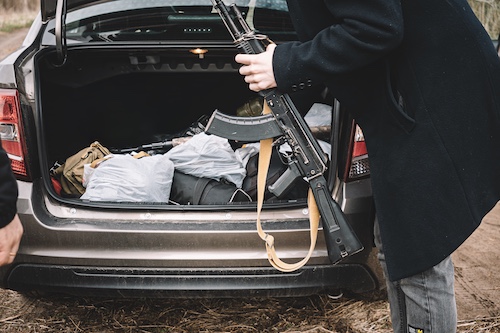
Understanding Federal Gun Smuggling Charges
Federal gun smuggling charges fall under a complex web of federal statutes that prosecutors use to pursue individuals accused of illegally trafficking or transporting firearms. When the federal government brings these charges, you are no longer dealing with a state-level matter. You are dealing with the full force of the Department of Justice, the ATF, and federal prosecutors who have nearly unlimited resources.
What Laws Govern Federal Firearms Smuggling?
The primary federal statute used to prosecute firearms trafficking is 18 U.S.C. Section 933, which was significantly strengthened under the Bipartisan Safer Communities Act of 2022. This law makes it a federal crime to ship, transport, transfer, or receive firearms knowing or having reasonable cause to believe that the transaction is part of illegal firearms trafficking. Additional charges are often layered on top, including violations of 18 U.S.C. Section 922, which covers unlawful acts related to firearms dealers, straw purchases, and illegal transfers. Prosecutors may also pursue charges under 18 U.S.C. Section 924, which governs penalties for using or carrying a firearm in connection with another crime.
What Is Considered Gun Smuggling Under Federal Law?
Federal gun smuggling encompasses a wide range of conduct beyond simply transporting guns across borders. Common scenarios that lead to federal gun smuggling charges include purchasing firearms on behalf of someone who is legally prohibited from owning them (commonly called a straw purchase), transporting large quantities of firearms across state or international lines without proper licensing, selling or distributing firearms without a federal firearms license (FFL), and working as part of an organized network that funnels guns to criminal organizations. Even a single straw purchase transaction can result in federal charges if law enforcement believes it was part of a broader trafficking scheme.
How Does the ATF Investigate These Cases?
The Bureau of Alcohol, Tobacco, Firearms and Explosives (ATF) is the primary federal agency responsible for investigating gun smuggling. These investigations are often lengthy and involve undercover operations, surveillance, controlled buys, cooperating witnesses, and analysis of firearms trace data. By the time federal agents make an arrest, they have typically been building their case for months or even years. This means the government may already have a significant amount of evidence against you before you ever know you are a target.
The Potential Consequences of a Federal Conviction
The stakes in a federal gun smuggling case are extremely high, and understanding what you face is a crucial first step in preparing your defense.
Prison Sentences and Federal Sentencing Guidelines
Federal gun smuggling charges carry harsh mandatory minimum sentences and are governed by the United States Sentencing Guidelines (USSG), which federal judges use to determine an appropriate sentence. Under 18 U.S.C. Section 933, a conviction can result in up to 15 years in federal prison per count. If the smuggling was connected to drug trafficking or violent crime, sentences can increase dramatically. Because federal sentences are served in federal prison without the possibility of parole, the time imposed is the time that will be served. Sentences for multiple counts can run consecutively, meaning the total prison term can stretch into decades.
Fines, Forfeiture, and Collateral Consequences
Beyond incarceration, a conviction on federal gun smuggling charges can result in fines of up to $250,000 per count, forfeiture of all firearms and any property tied to the offense, and a permanent federal felony record. A federal felony conviction strips you of your right to own or possess firearms for life, can disqualify you from certain employment, result in loss of professional licenses, and in the case of non-citizens, almost certainly lead to deportation and a permanent bar from re-entering the United States.
Federal vs. State Charges: Why It Matters
The federal system is fundamentally different from the state court system. Federal prosecutors have higher conviction rates than their state counterparts, federal judges have less discretion to deviate from sentencing guidelines, and the resources available to the prosecution are vast. If you are charged at the federal level, you need a legal team that understands how federal courtrooms operate, how federal prosecutors think, and how to navigate the unique procedural rules that govern federal criminal cases.

Steps to Take Immediately After Being Charged
Taking the right actions in the immediate aftermath of federal gun smuggling charges can directly affect what happens to your case down the road.
Do Not Speak to Law Enforcement Without an Attorney
This cannot be overstated: do not answer questions from ATF agents, FBI investigators, or any other federal law enforcement officer without a federal gun charge lawyer present. You have a constitutional right to remain silent under the Fifth Amendment, and anything you say can and will be used against you. Federal investigators are trained to gather admissible statements from suspects, and even casual, seemingly innocent comments can be twisted into evidence of guilt. Politely but firmly invoke your right to counsel and say nothing further until your attorney is present.
Preserve Any Evidence in Your Favor
While you should not destroy or tamper with any materials, you should make note of anything that may support your defense. This includes receipts, communications, financial records, witness contact information, and any documentation that may establish your intent, location, or lack of knowledge regarding an alleged illegal transaction. Your attorney will need to review all of this material carefully.
Contact a Federal Gun Charge Lawyer as Soon as Possible
Time is of the essence. In many federal gun smuggling cases, critical decisions about bond hearings, grand jury proceedings, and early plea negotiations happen quickly. Retaining a federal gun charge lawyer immediately ensures that someone is fighting for your rights from day one. Look for an attorney with specific experience in federal firearms law, not just general criminal defense, as the nuances of federal court practice require specialized knowledge.
How a Federal Gun Charge Lawyer Can Defend You
A skilled federal gun charge lawyer will examine every aspect of your case to identify weaknesses in the government’s evidence and build the strongest possible defense.
Challenging the Government’s Evidence
Federal gun smuggling prosecutions often rely on circumstantial evidence, informant testimony, and surveillance records, all of which can be challenged. Your attorney will scrutinize how evidence was obtained to determine whether any Fourth Amendment violations occurred during searches, seizures, or wiretaps. If federal agents conducted an unlawful search, the resulting evidence may be suppressed, which can significantly weaken the government’s case.
Attacking Intent and Knowledge
Many federal firearms trafficking statutes require the government to prove that the defendant knew the conduct was illegal or had reasonable cause to believe a crime was being committed. If prosecutors cannot establish criminal intent beyond a reasonable doubt, they cannot secure a conviction. Your attorney may be able to demonstrate that you were deceived, lacked knowledge of the illegal nature of the transaction, or were otherwise acting in good faith.
Negotiating with Federal Prosecutors
Not every federal case goes to trial. In some situations, a negotiated resolution may result in reduced charges, a lesser sentence, or other favorable terms. Federal prosecutors do have discretion in how they handle cases, and a federal gun charge lawyer with courtroom credibility and negotiation experience can often achieve outcomes that would not be possible without skilled legal representation. However, any decision about whether to accept a plea or go to trial should be made with a full understanding of the risks and potential outcomes on both paths.
Facing Federal Gun Smuggling Charges? Our Team at Cowboy Law Group Is Ready to Fight for You.
Every day that passes without experienced legal representation is a day the federal government is building a stronger case against you. Our team at Cowboy Law Group has the federal courtroom experience, the legal knowledge, and the relentless drive to stand between you and the full force of federal prosecution. We know how much is on the line, and we treat every case with the urgency it deserves. Do not face this alone.
Contact us at 832-326-2932 for a free case consultation today!