When You’re Facing Federal Gun Trafficking Allegations, the Stakes Can Feel Overwhelming
An investigation tied to gun trafficking in The Woodlands, Spring, or along I-45 near Conroe can quickly turn into serious federal cases. If you’re facing allegations involving gun manufacturers or distribution networks, the situation can feel complex from the start. These federal cases often carry severe penalties under federal law, making it important to understand what you’re facing.
Federal gun charges are handled differently from state matters. In many federal cases, investigators rely on detailed records, communications, and multi-agency efforts. When gun trafficking is involved, cases may include multiple individuals or connections tied to gun manufacturers and distribution channels.
Responsibility is not always clear. Gun trafficking cases often involve several parties, and determining accountability under the law requires careful analysis of each person’s role.
At Cowboy Law Group, we help you understand how these federal cases are evaluated and guide you through the process with clarity and confidence.
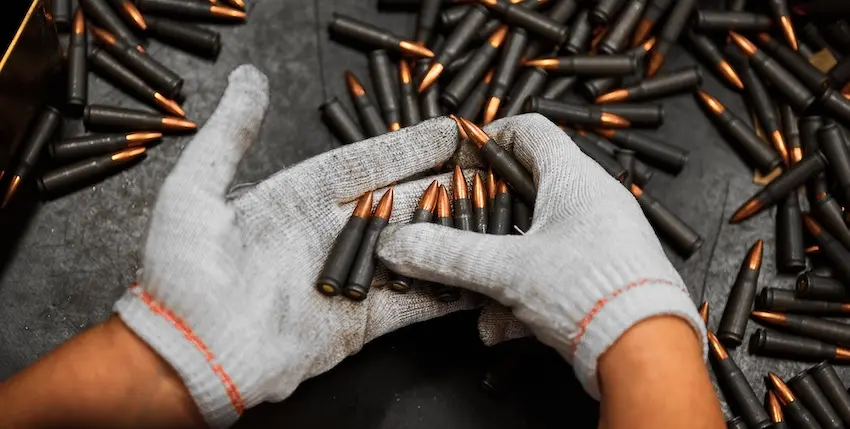
What You’re Accused Of Matters—Federal Law Focuses on Distribution, Not Just Possession
Facing allegations tied to gun trafficking can feel confusing, especially when the focus is not just on possession but on how firearms are distributed. In many federal cases, the legal analysis centers on patterns of conduct, transactions, and connections between individuals or entities, including how gun manufacturers and other parties may be linked within a broader investigation. Understanding how federal law approaches these issues can help you better see where your situation fits.
How Federal Law Defines Trafficking Activity
Under federal law, gun trafficking is generally tied to the movement or transfer of firearms in a way that violates regulations. Rather than focusing only on ownership, federal cases often examine whether there was intent to distribute or facilitate unlawful transfers. This can include patterns of purchases, resale activity, or coordination with others.
Lawful Sales Versus Illegal Distribution
Not every transaction involving firearms is unlawful. The distinction often comes down to intent, licensing requirements, and how the transaction is structured. In federal cases, investigators may evaluate whether actions crossed the line from lawful conduct into gun trafficking, especially when multiple transactions or intermediaries are involved.
Why These Cases Extend Beyond One Individual
Many federal cases involve more than a single person. Gun trafficking investigations can include networks of individuals, third parties, or even questions involving gun manufacturers and supply chains. Because of this, federal law often looks at the bigger picture—how different actions connect and whether they contribute to a larger pattern.
Where You Fit in the Chain Matters—Gun Manufacturers Are Only One Piece of the Puzzle
In federal gun trafficking investigations, the focus often extends beyond a single transaction. A gun manufacturer is just one part of a broader supply chain that includes distributors, licensed dealers, and end users. Understanding this process helps clarify how responsibility is evaluated under federal law.
Firearms typically begin at the production level, where a gun manufacturer creates and marks each weapon for tracking and compliance. From there, they move through authorized channels before reaching dealers. This structure is key in federal gun trafficking cases, especially when investigators examine how a firearm changed hands.
Transfers are regulated by federal law, including record-keeping and licensing requirements. When these steps are followed, transactions are generally lawful. In federal gun trafficking cases, attention often focuses on where the process may have broken down.
Responsibility is tied to each stage. A gun manufacturer’s role is usually limited to production and initial distribution, while later actions are evaluated separately under the law.
Questions About Your Case May Include Whether Manufacturers Share Responsibility
When facing allegations tied to weapon trafficking, it’s natural to wonder how a gun manufacturer fits into the broader picture. While manufacturers are part of the supply chain, most legal analysis focuses on actions taken after production. Understanding where responsibility may arise under federal laws can help clarify how your situation is evaluated.
In certain circumstances, a gun manufacturer’s conduct may become part of the discussion, particularly if questions arise about how firearms were distributed or monitored. However, these situations are often limited and depend on specific facts tied to compliance with legal requirements.
Key considerations can include:
- Whether distribution practices followed applicable laws and industry standards
- If there were concerns about oversight in how firearms moved through authorized channels
- How documentation and tracking were handled during initial transfers
- Whether any patterns suggested improper handling within the supply chain
Even with these factors, most weapon trafficking cases focus on dealers, intermediaries, or individuals involved in later transactions. Legal responsibility is typically tied to conduct occurring beyond the manufacturing stage, especially when evaluating how firearms were transferred or used.

What You Should Know About Limits on Claims Against Manufacturers
When your case involves questions about gun manufacturers, it’s important to understand how federal laws approach liability. In many weapon trafficking matters, the legal framework places limits on when claims can be brought against manufacturers. This structure is designed to separate lawful production from conduct that may fall outside regulatory boundaries.
Federal Protections Shape How These Cases Are Evaluated
Under federal laws, gun manufacturers are often protected when their products are made and distributed in compliance with regulations. In weapon trafficking cases, this means the legal focus typically shifts toward how firearms were transferred or used after leaving the manufacturer.
Certain Situations May Fall Outside Those Protections
There are circumstances where protections may not apply. If questions arise about whether gun manufacturers followed required standards, those issues can become part of the legal analysis. In these situations, federal gun trafficking investigations may look more closely at how distribution practices were handled.
Exceptions Can Involve Specific Types of Conduct
Some cases involve exceptions tied to misconduct or regulatory violations. When actions potentially fall outside established laws, the role of gun manufacturers may be examined more closely as part of the broader case.
How Your Case May Be Built Around Tracing the Path of a Firearm
In many federal cases, the focus isn’t just on possession—it’s on how a firearm moved from one point to another. When weapon manufacturers are part of the broader supply chain, investigators often rely on detailed tracing methods to understand where a firearm originated and how it changed hands. This process plays a central role in how cases are evaluated under federal law.
Serial numbers and sales records are key starting points. Firearms are typically marked at the manufacturing stage, allowing investigators to trace them back to weapon manufacturers and follow their path through distributors and licensed dealers. These records help establish a timeline that can be used in federal cases.
From there, connections are built. Investigators may review transaction histories, communication records, and other documentation to link individuals to specific transfers. In many situations, the goal is to map out how the firearm moved through different stages and who was involved at each point under the law.
Documentation becomes especially important in this process. Clear records can support or challenge how events are interpreted in federal cases, making them a critical part of the overall legal analysis.
At Cowboy Law Group, we help you understand how evidence is used in federal cases involving weapon manufacturers and tracing methods—so you can move forward with clarity and confidence.
When You’re Involved in a Federal Case, Your Next Steps Matter
Facing federal gun cases can feel overwhelming, especially when questions involve pistol manufacturers, distribution, or how a firearm is connected to your situation. Early decisions can have a lasting impact, which is why understanding your rights and approaching the process carefully is essential under federal law.
Speaking Carefully Protects Your Position
It may be tempting to explain your side right away, but making statements without legal guidance can create complications. In federal gun cases, even small details can be interpreted in different ways, particularly when investigators are examining connections to pistol manufacturers or distribution channels.
Preserving Your Rights From the Start
From the moment you become aware of an investigation, protecting your rights is critical. This includes understanding what information you are required to provide and how federal law applies to your situation. Taking a measured approach can help ensure your position is not unintentionally weakened.
Recognizing the Serious Nature of Federal Inquiries
Federal gun cases are handled with a high level of scrutiny. Investigations may involve detailed records, multiple agencies, and a focus on how firearms moved through various stages, including those connected to pistol manufacturers. Recognizing the seriousness of these inquiries helps you approach each step with the attention it deserves.

Facing Federal Gun Charges Means Your Defense Strategy Matters From Day One
An investigation involving weapon trafficking in areas like The Woodlands, Shenandoah, or along TX-99 and I-45 can quickly become complex. When gun manufacturers, distribution chains, and multiple parties are part of the picture, federal cases often require a focused and strategic legal approach from the very beginning.
At Cowboy Law Group, building a strong defense starts with understanding the full scope of the situation. Federal allegations tied to weapon trafficking may involve detailed records, timelines, and connections between individuals or entities, including gun manufacturers. Each element is carefully reviewed to develop a legal strategy tailored to your circumstances.
These cases are rarely simple. Multi-party involvement, overlapping responsibilities, and evolving evidence can all influence how federal law is applied. Cowboy Law Group works to break down these complexities, helping you understand where you stand and what steps can be taken to protect your position.
Clarity and preparation make a difference. With experience handling high-stakes federal matters, the firm focuses on protecting your rights while guiding you through each phase of the process with confidence.
If you’re dealing with federal charges related to weapon trafficking or questions involving gun manufacturers, contact Cowboy Law Group today to discuss your case at 832-326-2932and take the next step toward protecting your future.